|
|
A History of Korean Gaming
|
|
열림 기획 Open Production
|

|
|
Founded:
|
May 20th, 1992
|
|
Status:
|
defunct (last known activity 1998)
|
|
Key People:
|
金乙錫 김을석 Kim Eulsuk:
President
구은중 Koo Eunjoong:
Director, Programmer
이상헌 Lee Sanghun:
Director, Programmer
Kim Heesu:
CEO Open Tech
정영기 Jeong Yeonggi:
CEO CineOpen
|
|
Website:
|
none
|
|
Profile:
|
|
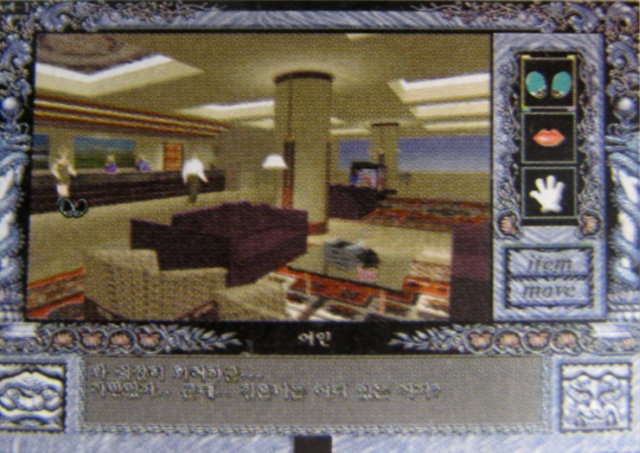
At the end of the Saehan Sangsa / Zemina alliance, Kim Eulsuk formed his own independent development studio, employing several former Zemina programmers and freelancers like Koo Eunjoong, Lee Sanghun, Lee Kyuhwan and Lee Sangyoun (although the latter two didn't stay with the company for long). A year later, they became a second party developer for Daou Infosys, a partnership that produced more 8-bit console games than anyone else at the time. Other products were cheat modules for the Mega Drive and Super Famicom (the former was also capable of transferring data between the console and a PC). In late 1993 Open announced their merger with the PC developer Namu, who were then working on three games, but in the end only one of those saw the light of day (although at least the Jeong brothers were later involved in other Open games).
Two years after the failed Daou-Innovation deal (see the Daou profile), a bunch of Open games actually made it to new shores. An Australian distributor of unofficial video game carts, HES, released a cartridge called 4 Pak All Action in 1995, which contained four games by the Korean developer. It is believed that only 5000 carts were produced1.
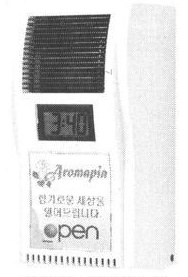
Mega Drive developments were planned as well, but a while after Daou Infosys stopped investing in the console business, Open went with the tide as well and moved their efforts completely towards the PC2, for which they also released an emulated MSX compilation with 64 games. On March 18th, 1996 Open created a sister company called Open Tech, which was from then on in charge for the production of peripherals and game publishing3, but also pursuited its own interests as a PC hardware and network technology producer. Open Tech is still in business today, but the original Open seems to have just disappeared some time in 1998, after trying out all kinds of endeavors like vending machines for batteries, DVD & MP3 based karaoke machines, or remote controlled fragrance dispensers4.
In 1999, a company called CineOpen, which reused Open's logo design, started to publish russian games and movies, but how it relates to the old Open is unknown.
|
|
|
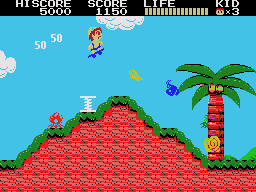
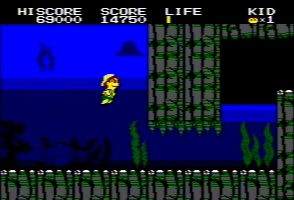
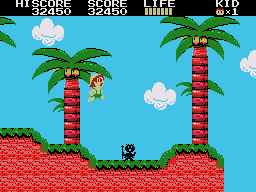
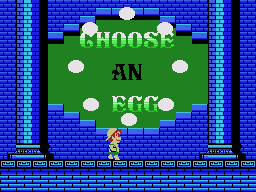
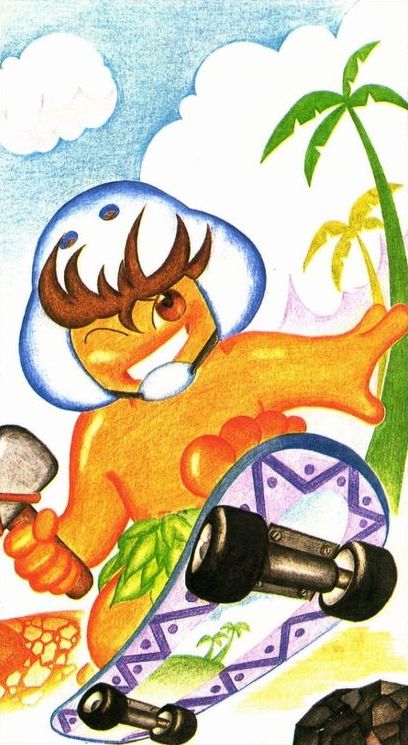
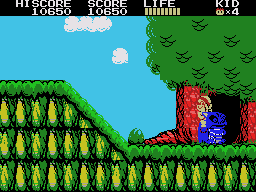
원더키드 (Wonder Kid) / Adventure Kid - MSX, Master System (1992)
|
|
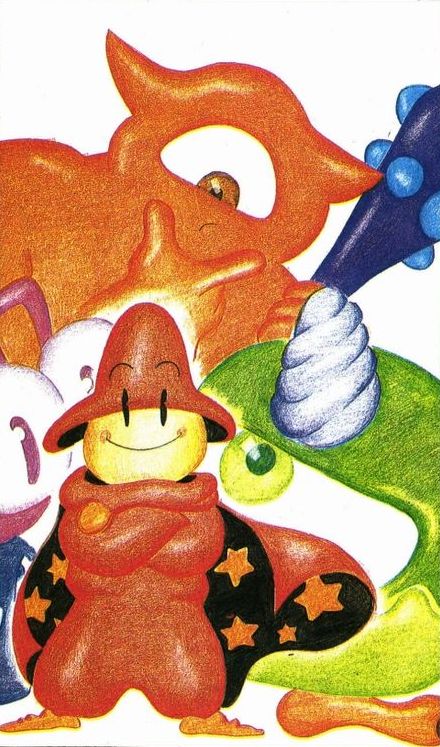
레드위즈 (Red Wiz) - MSX, Master System (1992)
|
|
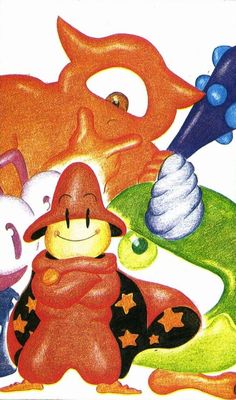
Red Wiz Artwork
|
Red Wiz has been advertised together with Wonder Kid, but so far there is neither proof nor disproof that it actually exists.
|
|
|
|
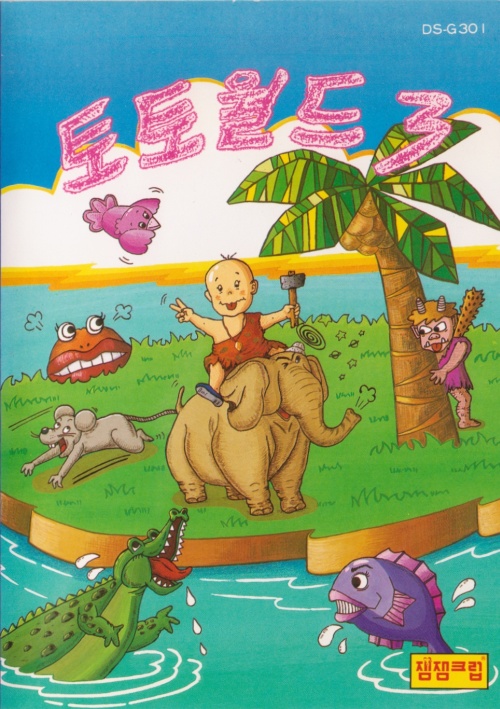
토토월드 3 (Toto World 3) / Cave Dude - Master System (May 1993)
Toto World 3
|
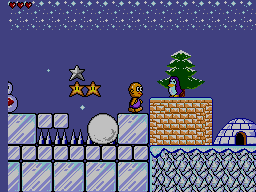
Toto World 3
|
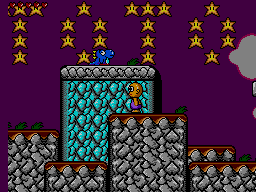
Toto World 3
|
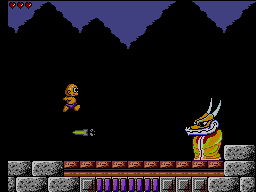
Toto World 3
|
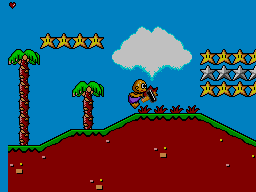
Toto World 3
|
|
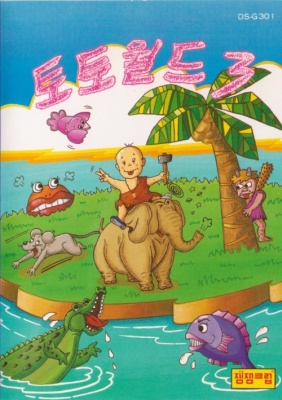
Korean Cover
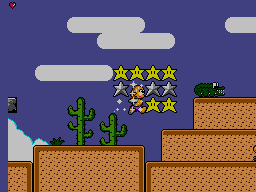
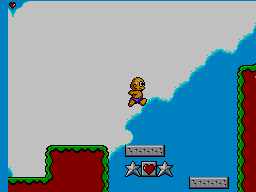
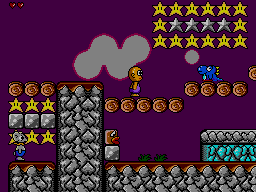
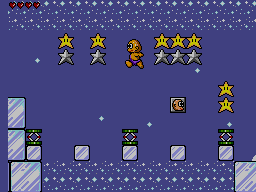
This platformer starring a little bald caveman mixes the traditions of Zemina's Super Boy with the theme of Wonsiin. The gameplay is still very Mario-inspired, but other than a few minor sprites like the stars and the weeds, that look like ripped straight from Mario games, everything in this game is completely original content. Makes one really wonder why they compromised their effort with such tiny things.
The structure is quite simple: Toto walks from left to right until he reaches the goal, just like any primitive platformer. On his way he collects various extras and whacks enemies with his hammer. Every world concludes with a boss fight, which doesn't ask too much from the player in terms of strategy, either. Toto World 3 is completely devoid of surprises, but nonetheless a solid platformer with very responsive controls and a fair difficulty progression.
There has been a lot of puzzling about the number three in the title, but the answer is actually quite simple: Zemina's Wonsiin tells the story of the "little caveman Toto" on the back of the box. Part 2 has most likely been released as Wonder Kid (see above), which makes this the third game in the series. Why Open chose this rather confusing title (early previews even introduced it as just Toto World, without the number) remains a mystery, though.
Toto World 3 has been advertised by Innovation as Cave Dude, a title with which it was eventually released in Australia on the HES cart.
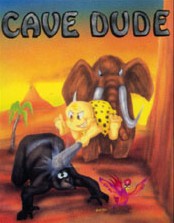
Cave Dude Artwork
|
|
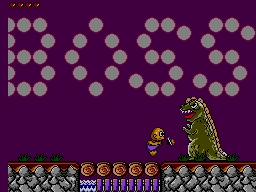
Toto World 3
|
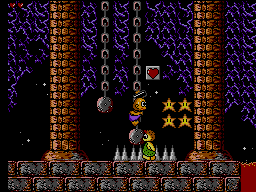
Toto World 3
|
Toto World 3
|
Toto World 3
|
Toto World 3
|
|
|
|
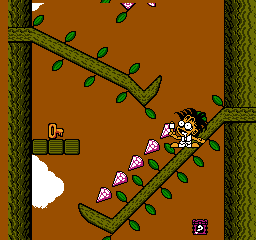
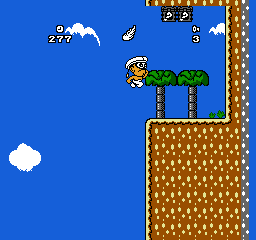
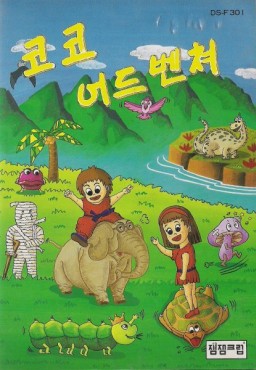
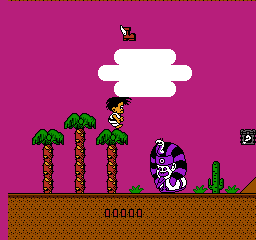
코코 어드벤쳐 (Koko Adventure) / Buzz & Waldog - Famicom (May 1993)
Koko Adventure
|
Buzz & Waldog
|
Buzz & Waldog
|
|
Korean Cover
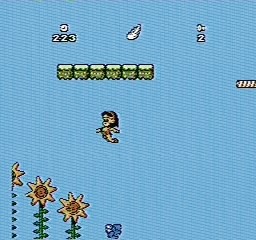
Koko Adventure was released simultaneously with Toto World 3, only on the Famicom. In fact, both games were initially announced as ports of the same game, but were not quite the same even then. They still share a few assets, though, and some bosses and melodies will be very familiar when playing both games sequentially.
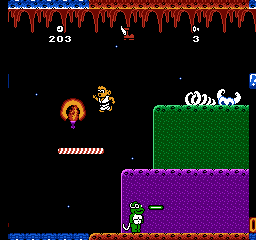
Koko Adventure is even more akin to Super Mario World, Koko and his sidekick can slide down slopes by pressing down, and destroy blocks with a spinning jump (which is also the only way to hurt enemies here). The stages are not quite as linear, anymore, as the heroes have to find a number of keys in each of them before they can open the door to the next level. The powerups revolve around expanding Koko's jumping abilities, first he learns a double jump, and he is even able to fly a bit with the second upgrade.
Innovation originally planned to bring the game to the US, together with The Dinosaur Dooley. Open provided a localized version for the North American market, in which the game was renamed Buzz & Waldog and Koko's girlfriend(?) replaced with the ugly Waldog. But like Daou's shoot 'em up / platformer hybrid, Buzz & Waldog was cancelled. Fortunately, both games got restored and leaked to the public more recently5, other than the Korean version, which remains a rarity.
|
Buzz & Waldog
|

Buzz & Waldog
|
Buzz & Waldog
|
|
|
|
장풍 II (Jang Pung II) - Master System, Game Gear, Mega Drive (December 20th, 1993)

Jang Pung 2 (Game Gear)
|
Jang Pung 2 (Game Gear)
|
Jang Pung 2 (Master System)
|
|
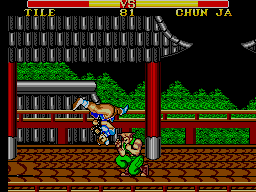
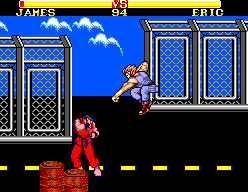
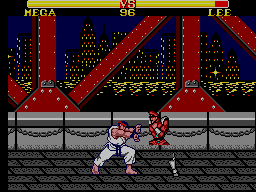
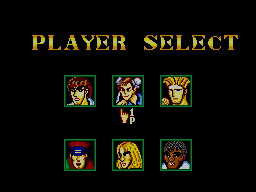
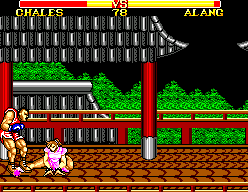
Jang Pung II is titled after the Koren "nick name" for Street Fighter II. For a long time, only the Game Gear port of this was known, which is simply the worst Street Fighter pirate clone ever. The controls are far, far beyond horrible, nothing works, the sprites flicker like hell, the music sucks, the animation sucks, everything sucks. The Master System version is a bit better, but still suffers from terrible controls.
Featured are six characters from the original game, all with weird name changes. Ryu became Lee, which was probably enough for the team to make him a Korean character, then there's Chun Li as Chun Ja (Alang on the SMS), Guile became Tile (Eric on SMS), the dictator is known as Mega (V. King on SMS). For Ken, who is a true pallete swap for Ryu in this game, it was enough to change the spelling to "Can" (James on SMS), while Capcom's real-life person inspired boxer was decyphered to Tison. (He is called Chales on the Master System.) The fighters all look like downsized versions of the original, only Guile got a cool redesign in the SMS version, and the dictator a much less cool one.
Since the game is a port of Street Fighter II, a "Jang Pung I" might not exist. Zemina's Street Master could be a predecessor, but since both games lack a credits display, there's no way to confirm that yet. There's also no solid proof for the game being developed by Open, as it only shows copyright for SIECO. It appears highly likely, though, especially as the game reuses the music from Toto World 3. Like all Sieco/Gameline published SMS games, Jang Pung II was later released for the Mega Drive as well, but those conversions merely had the machines running in Master System mode with identical software.
|
Jang Pung 2 (Game Gear)
|
Jang Pung 2 (Game Gear)
|
Jang Pung 2 (Master System)
|
|
|
|
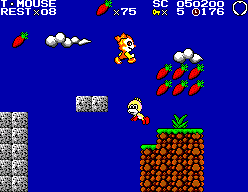
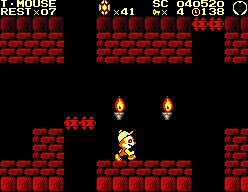
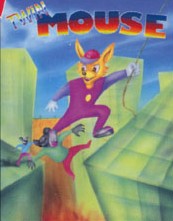
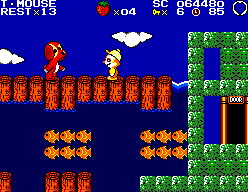
트윈 마우스 Twin Mouse - Master System (1993)
|
|
패밀리 노래방 (Family Noraebang) - Famicom (1994)

Family Noraebang (Famicom)
|
|
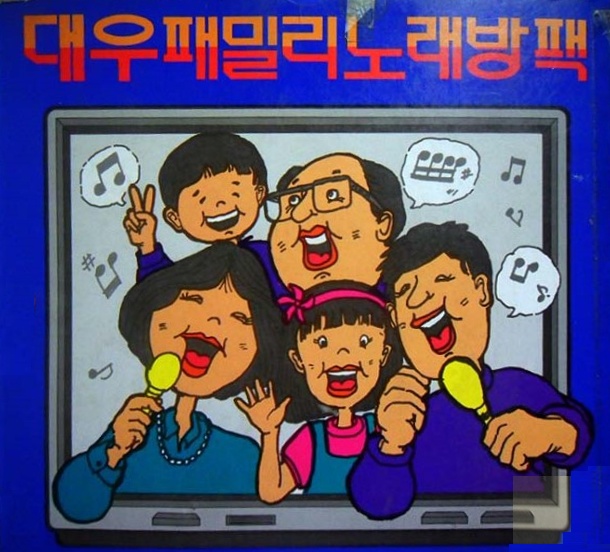
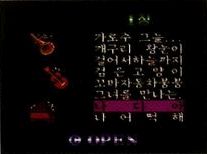
Open also provided the software for the Daewoo Family Noraebang, a famiclone & karaoke combo manufactured by Daou Infosys. (But the cartdridge was also sold as a standalone for use with any other Famicom compatible.) With 56 songs the initial selection paled against its direct competitor by HiCom, but Open prepared various song packs which could be inserted into a special slot in the Karaoke cart. It is unknown how many of those packs were actually produced, though at least two could be spotted in an advertisement (40 songs each). The cart also included an FM sound chip and an additional audio jack to directly connect it to an amp7.
The Karaoke Hardware
|
Family Noraebang (Famicom)
|
|
|
|
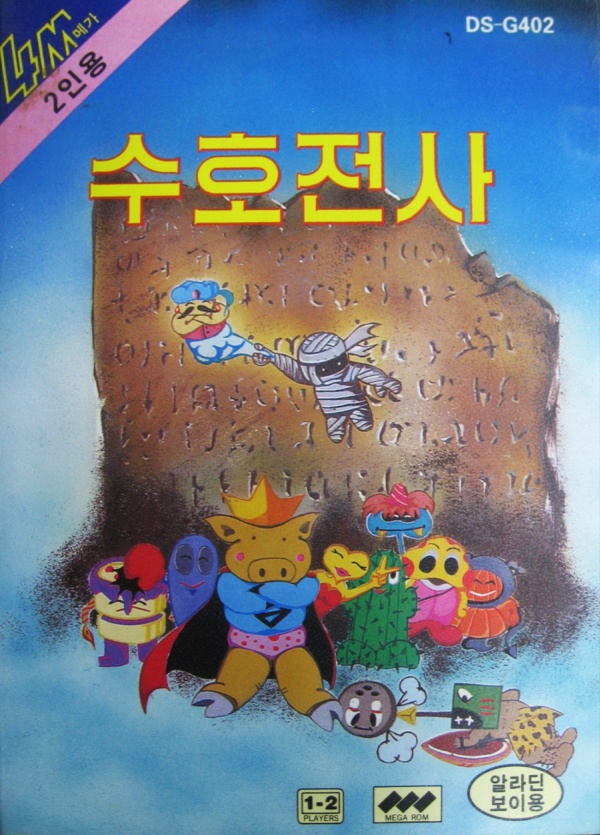
수호전사 (Suho Jeonsa) / Power Block - Master System (April 5th, 1994)
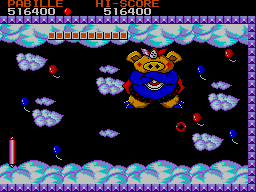
Suho Jeonsa (Master System)
|
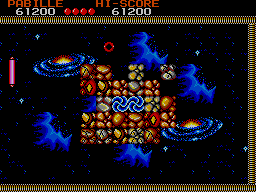
Suho Jeonsa (Master System)
|
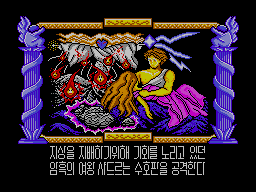
Suho Jeonsa (Master System)
|
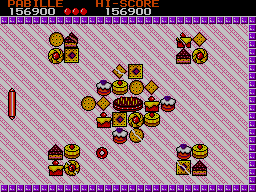
Suho Jeonsa (Master System)
|
|
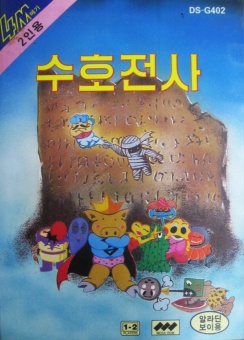
Korean Cover
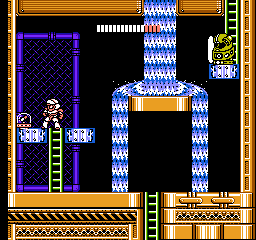
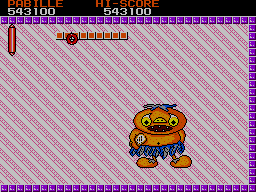
For a Breakout clone, Suho Jeonsa has a quite unconventional concept. Besides being played from left to right, after each "normal" stage awaits a boss, that has to be hit with the ball several times. Every stage is based around a concept, like soccer, under water, egypt, etc. Of course guns, indestructible stones and other features aren't missing, either.
The game was first introduced with the English title Power Block, which was probably intended for foreign releases, as this was the title with which it was eventually included on the Australian multi cart. Suho Jeonsa means "Guardian Knight".

Australian Artwork
|
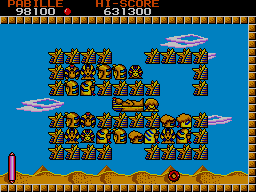
Suho Jeonsa (Master System)
|
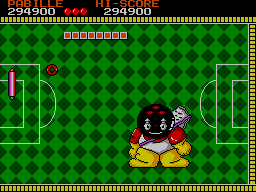
Suho Jeonsa (Master System)
|
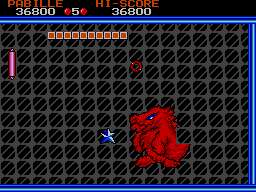
Suho Jeonsa (Master System)
|
Suho Jeonsa (Master System)
|
|
|
|
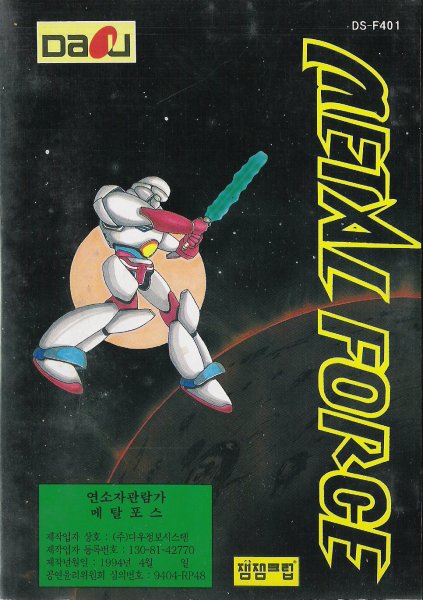
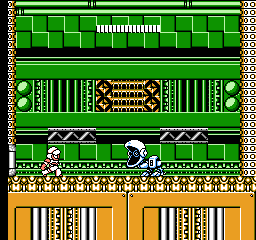
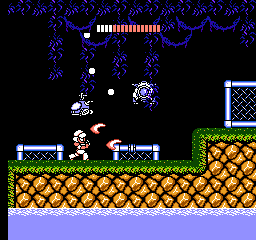
메탈 포스 (Metal Force) - Famicom (May 1st, 1994)
|
|
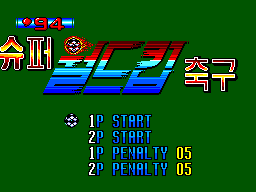
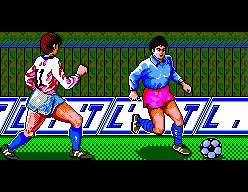
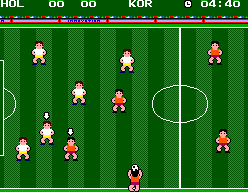
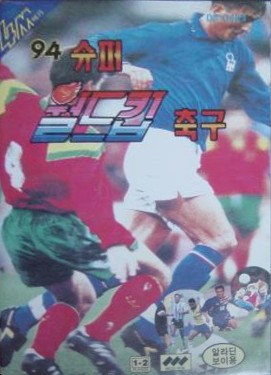
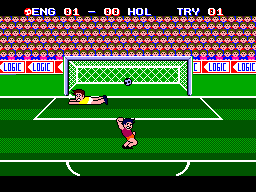
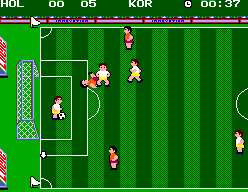
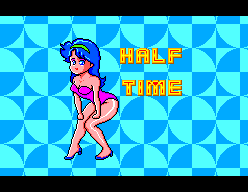
94 슈퍼 월드 컵 축구 ('94 Super World Cup Chukku) - Master System (July 1st, 1994)
|
|
장풍 3 (Jang Pung 3) - Master System, Mega Drive (October 1994)
Jang Pung 3
|
Jang Pung 3
|
Jang Pung 3
|
Jang Pung 3
|
Jang Pung 3
|
|
Advertisement
|
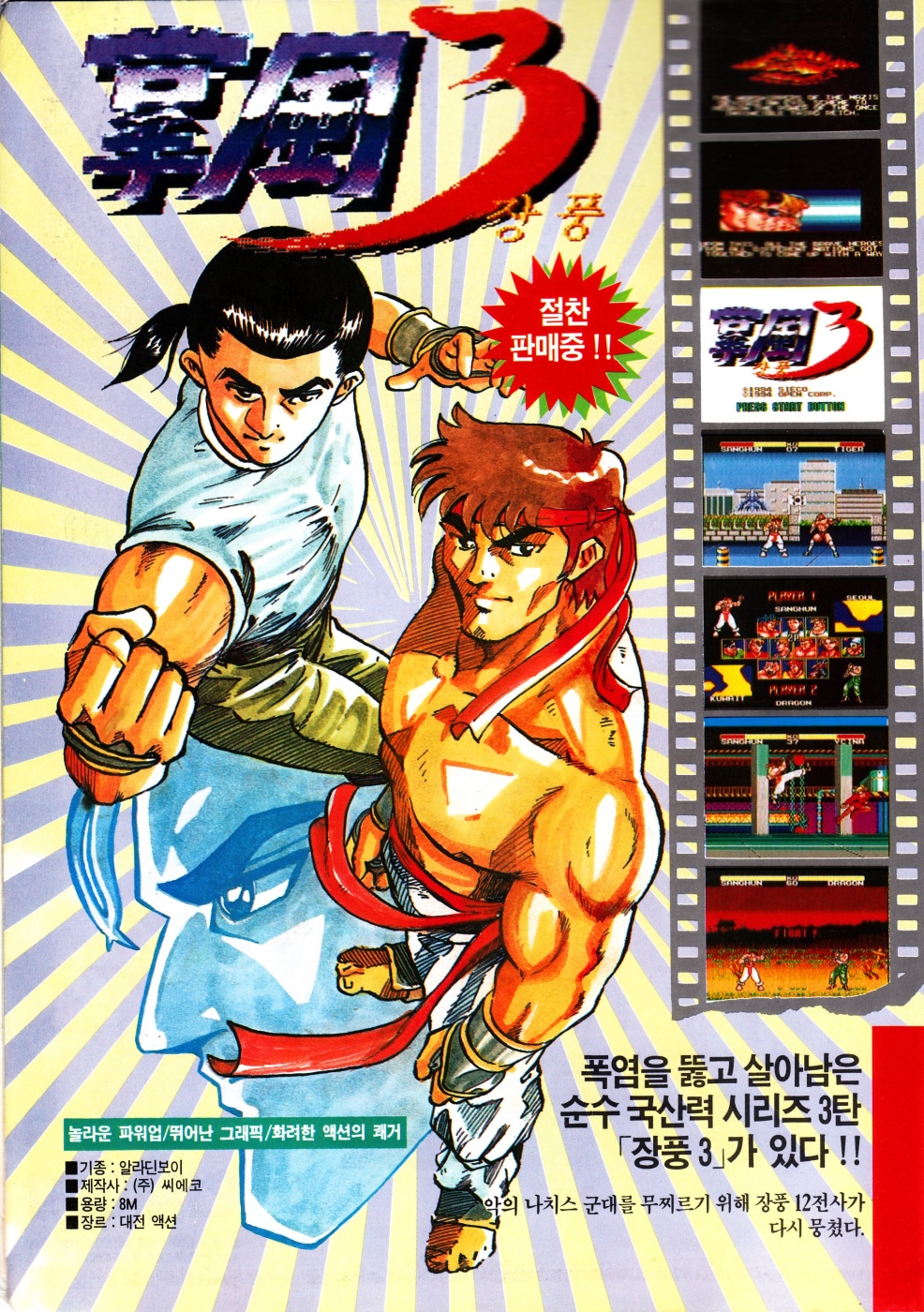
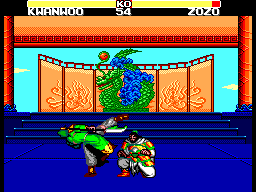
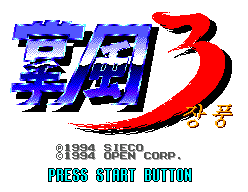
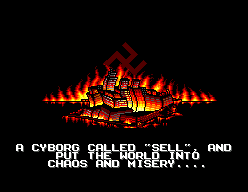
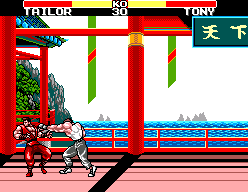
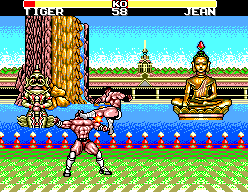
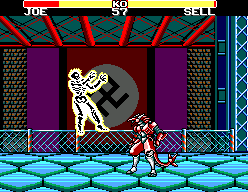
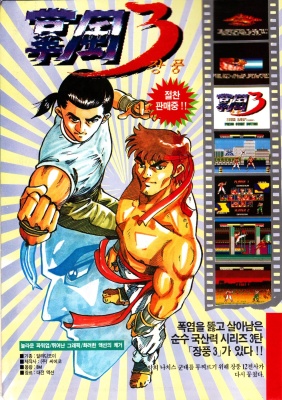
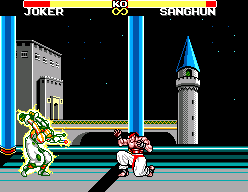
The sequel to the above trainwreck Street Fighter II clone, Jang Pung 3 brings the series from one of the worst 8-bit fighting games to one of the best in less than a year— quite an accomplishment for the young programmer and director Lee Sanghun. While Jang Pung II was no more than a pirate version of Street Fighter II, this game features an all-original cast of stately 12 characters. It also features one of the greatest fighting game stories ever told, about the global threat of a neo nazi cyborg and the world's strongest fighters, which gather to stop its evil doings.
The controls are astonishingly responsive for an 8-bit fighter, and while the characters' movelists are limited through the Master System's 2-button pad, every combatant has his or her selection of trademark special moves. The lack of grappling maneuvers is a bummer, though. Many characters are stock fighting game material, most interesting are the overweight couple Bruno and Mrs.Bruno, as well as the nazi cyborg. A few come from places usually not seen in a fighting game, like Budapest (Hungary) or Sarajevo (Bosnia and Herzegovina). Director and Programmer Lee Sanghun also kinda self-inserted himself with the Korean character Sanghun.
But Jang Pung 3 is impressive also from a technical standpoint. Everything runs as smooth as it gets, some animations are just stunning and each of the twelve characters has his own stage and skillfully arranged music, at least for the most. Only very few tunes sound like the sound chip in one's console is broken. Had this game been released at the height of the Master System, it could have caused quite a commotion. In 1994, however, with the 32-bit generation knocking on the door, it completely went under. Maybe they should have licensed it to TecToy, then this might have had become popular in Brazil.
|
Jang Pung 3
|
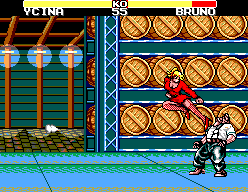
Jang Pung 3
|
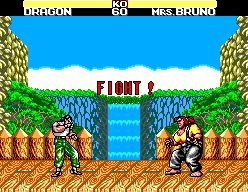
Jang Pung 3
|
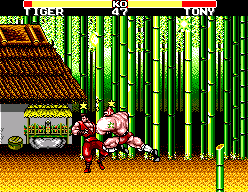
Jang Pung 3
|
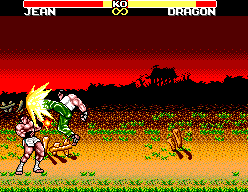
Jang Pung 3
|
|
|
|
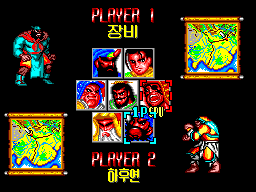
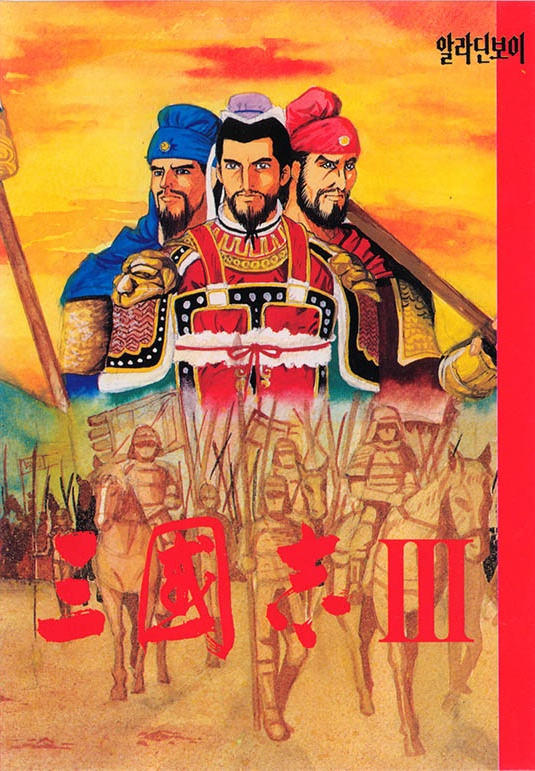
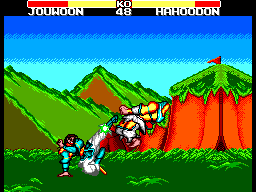
三国志 III ~천하쟁패~ (Samgukji III: Cheonha Jaengpae) - Master System, Mega Drive (1994)
|
|
Bubble Bobble - Game Gear (1994)
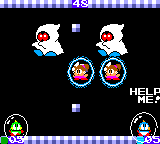
Bubble Bobble (Game Gear)
|
|
When Taito decided to release their most famous game for the Game Gear, they outsourced the programming to Open. Maybe they got wind that the Jung brothers, formerly of team MbitM and experienced in porting Bubble Bobble to MSX twice, were with the Korean company. At any rate, both were involved with the development of this port.
|
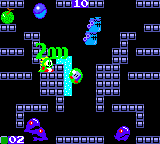
Bubble Bobble (Game Gear)
|
|
|
|
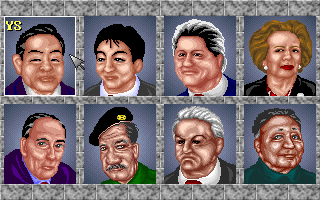
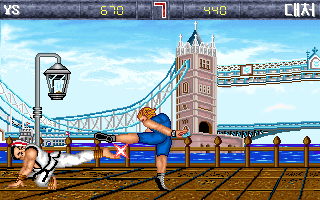
YS는 잘 맞춰 (YS-neun jal Matchwo) / Hello Mr. President - PC-DOS (December 15th, 1994)

Hello Mr. President
|
Hello Mr. President
|
Hello Mr. President
|
|
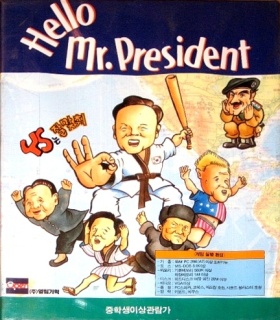
Cover
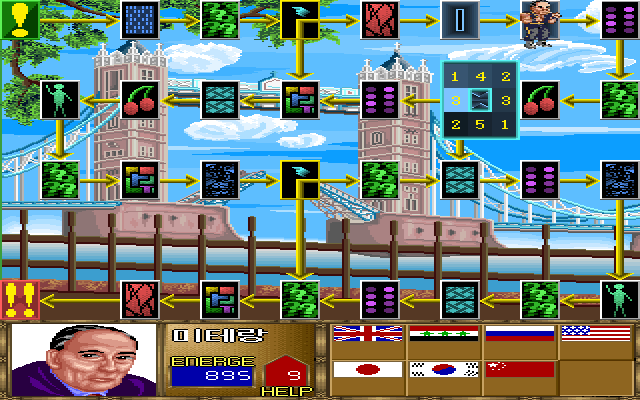
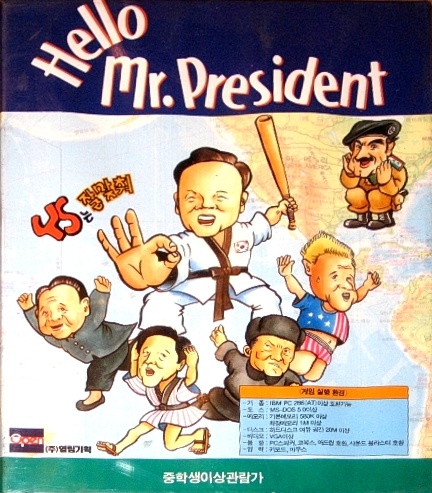
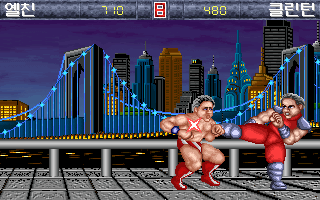
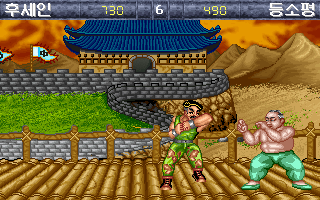
In 1995, Open gave up the home consoles and started developing for the PC, following a trend that was already dominating the industry at that time. Hello Mr. President throws several contemporary (and some outdated) heads of states from all around the world into the ring, kinda like a re-imagening of Domark's Spitting Image, only much less evil-spirited. But this is no pure fighting game, the main play mode also involves a board game with various quiz and mini games, and the success or failure here determines the initial amount of health for the fight (but the fighter can be played without the board game part, too).
Most presidents (YS was a common abbreviation for Korea's president from 1993 to 1998, Kim Youngsam) are put ino generic fighting costumes, but there's also some odd ones, like Boris Yelzin in the Street Fighter II dictator outfit. Like in so many other 90s PC fighting games, the controls are nothing short of atrocious, rendering the game virtually unplayable.
|
Hello Mr. President
|

Hello Mr. President
|
Hello Mr. President
|
|
|
|
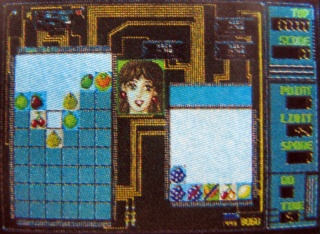
블럭환타지 (Block Fantasy) - PC-DOS (October 1995)
Cover
|
|
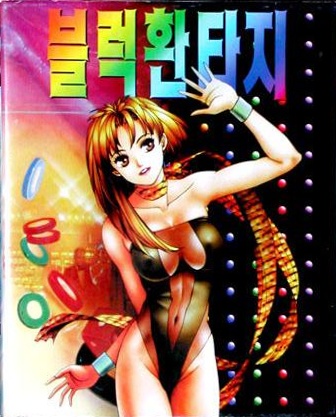
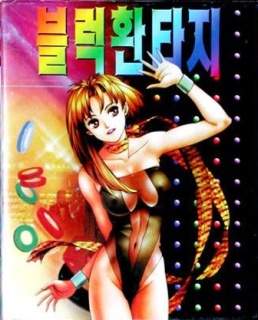
This puzzler was the only one of the former Namu projects that saw a release, although the box only contains the names of publishers YoungCom and Bogo World, the copyright for the game was still registered by Open in September 19958.
|
Block Fantasy
|
|
|
|
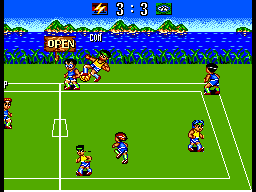
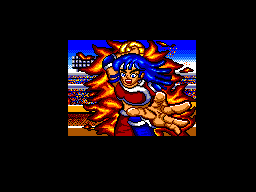
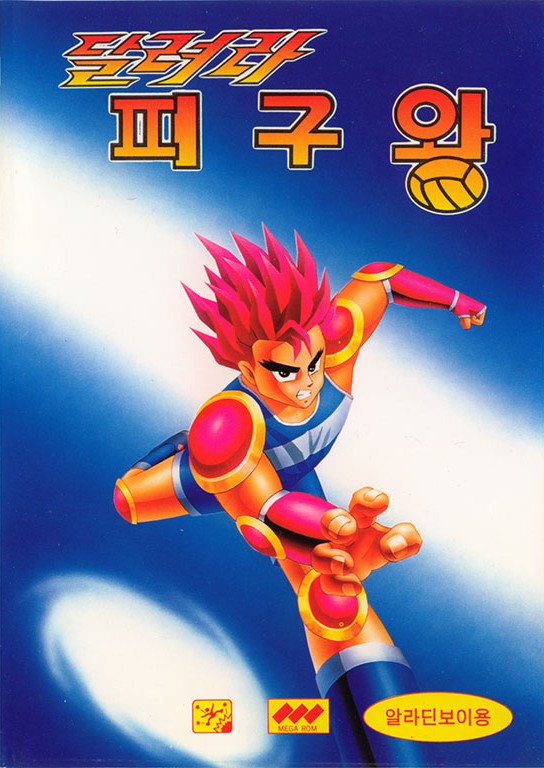
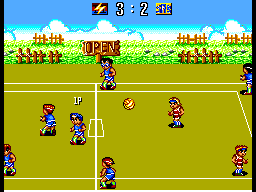
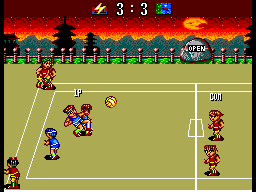
달려라 피구왕 (Dallyeora Piguwang) - Master System, Mega Drive (1995)
|
|
EXP: The Excellent Potato - PC-DOS (1996)
EXP: The Excellent Potato
|
EXP: The Excellent Potato
|
EXP: The Excellent Potato
|
EXP: The Excellent Potato
|
|
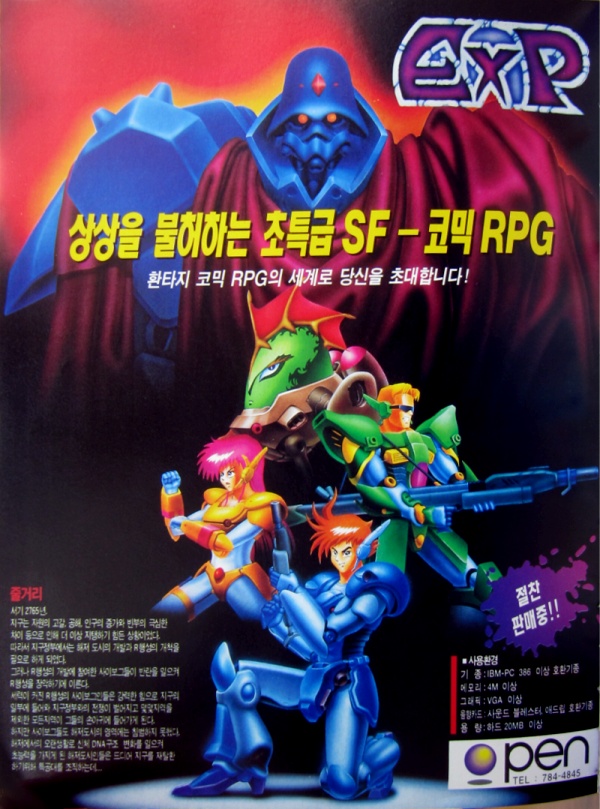
Advertisement
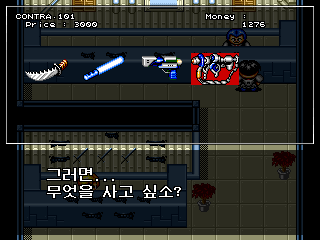
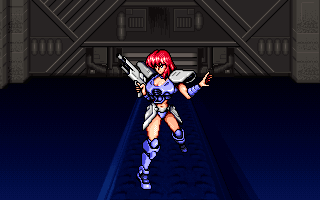
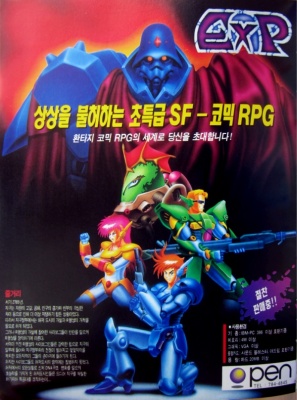
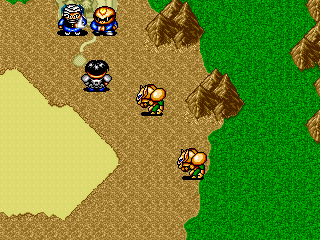
With veteran designer Lee Sanghun directing, Open tried their first RPG. EXP was originally conceived for the Mega Drive, but Open soon also announced a PC port, followed by the cancellation of the Mega Drive version.
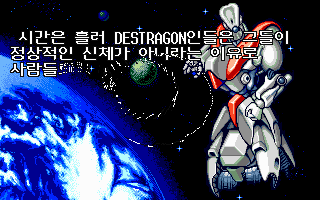
The game takes place in the future world of 2765. Earth has been damaged by the constant pollution, and mankind seeks to migrate to new worlds. They hire mechanic species of the Destragon, who lack a homeworld themselves, to make a new planet inhabitable for human life, while promising them their own land as a reward. However, the Destragon betray their former employers, and war among the Destragon and the human Mathik breaks out, leading to the occupation of earth. But not enough, also the Hydra, descendants of the humans lost in the failed colonization project, appear on the scene, so the known space is split up among three factions who are constantly at war with each other. And yes, also the eponymous Potato fits into the whole mess.
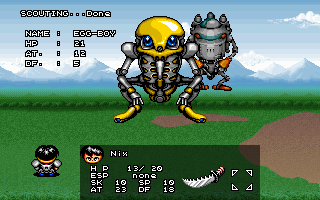
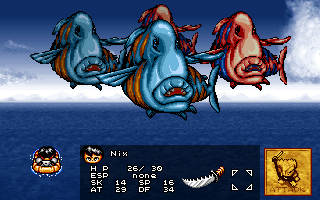
The hero Nix crashes with his plane in the territory of the currently neutral Hydra, so he has to find a way to repair his ship and return to earth. Of course, that turns out easier said than done...
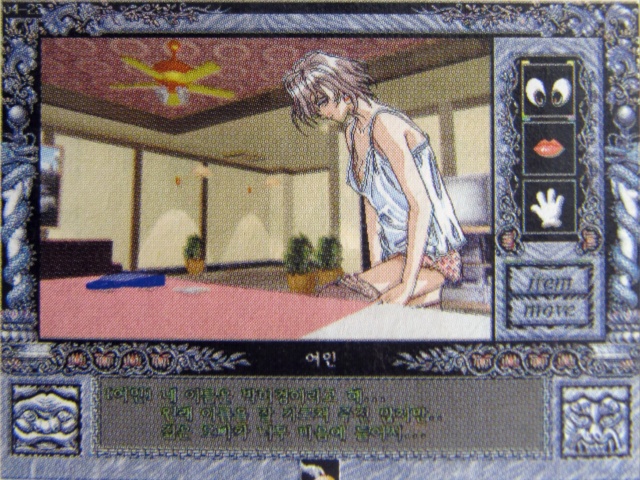
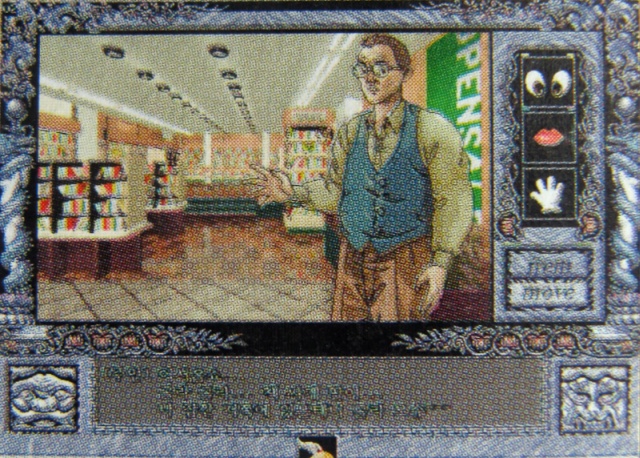
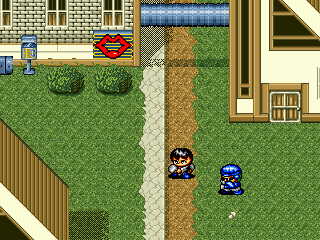
Despite the inventive story, the gameplay is pretty much standard (J)RPG fare with the all to familiar menu based combat. There are no random encounters, though, all enemies are visible on the world map. Avoiding the very mobile enemies is not an easy task, though.
The battles surprise with a lot of interesting visual effects, but pay for this with a very slow pace. The graphics on the field look very unique, as well, with their strange not-quite-SD style. Even the scrolling is weird, but it feels very natural for some reason.
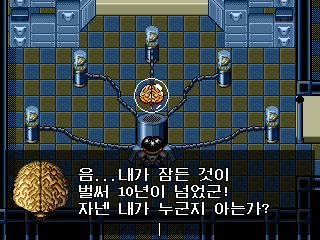
EXP, like almost all other Korean RPGs, has never been localized. However, it is the most playable for people not able to understand Korean, as all menus and item names are written in English. Only the story remains hidden in that case, and of course the hints as to what to do next. But the game suffers a bit from lack of direction, anyway, at least from a spoiled modern RPG gamer's perspective.
|
EXP: The Excellent Potato
|
EXP: The Excellent Potato
|
EXP: The Excellent Potato
|
EXP: The Excellent Potato
|
|
|
|
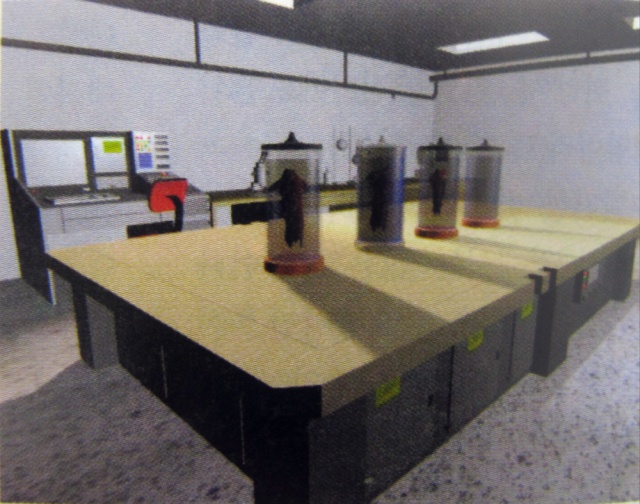
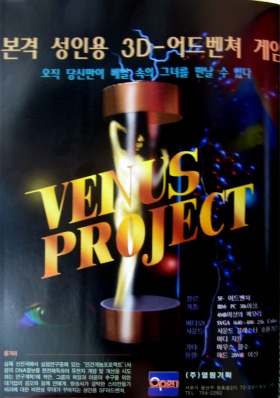
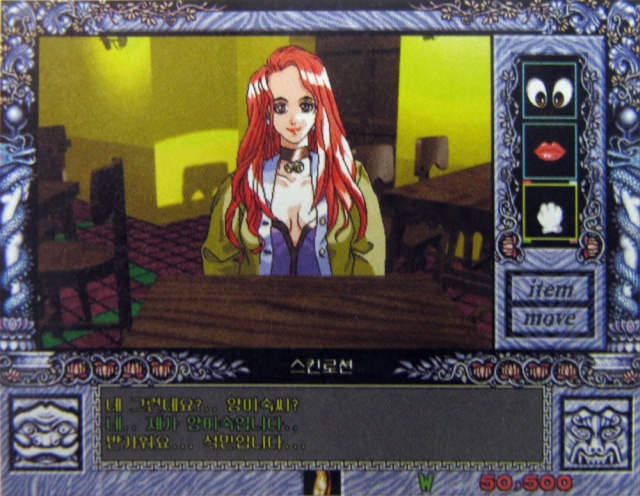
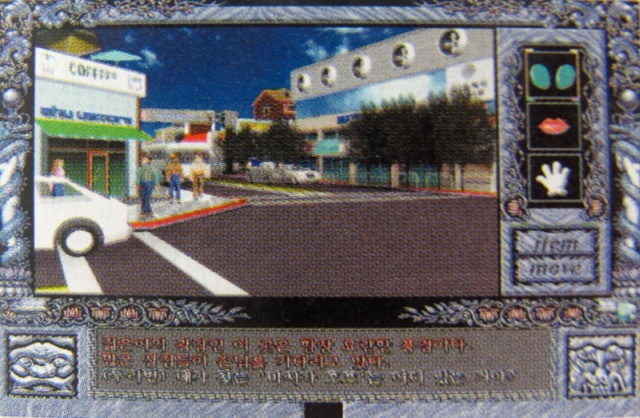
비너스프로젝트 Venus Project - PC-DOS (October 1997)
|
깨비 꼬비 (Kaby Koby) (1993-1994)
EXP: The Excellent Potato Mega Drive version (1995-1996)
|
References
1. HES Australian Games Rarity List on Gamefaqs.com
2. Game Champ 11/1993
3. PC Champ 4/1996 page 94
4. Kyunghyang Shinmun 9/8/1997 page 5, Kyunghyang Shinmun 12/24/1997 page 5, Maeil Gyeongjae 6/22/1998 page 13, ET News 6/29/1998
5. http://forums.lostlevels.org/viewtopic.php?t=1266
6. Game World 2/1995, page 57
7. http://ruliweb.daum.net/ruliboard/read.htm?main=ac&table=ma_famicom&db=2&num=325
8. Korea Copyright Commission entry
|
A History of Korean Gaming
|
|